
2022 → 2023
59 → 68 scores of 3+
56.7% → 38.2% success rate
104 → 178 exams administered
Assistant Principal, John Hill School • New Jersey Certified Principal • Doctor of Education
Instructional leadership and coherent school systems that improve student outcomes.
School Improvement | Data-Informed Intervention | Teacher Development | Multilingual Learner Success

Current Role
At John Hill School, I serve as the connective leadership force between academic data, teacher practice, intervention teams, student support, and school operations. I ensure that information leads to action: students are identified early, interventions are matched to their needs, progress is monitored, teachers receive focused support, and teams adjust quickly when students are not growing.
Results and Scale
Evidence of results and sustained leadership in action.
Class of 2026 Graduation Outcomes
100%
Day-School Graduation Rate, Class of 2026
95%
Overall Graduation Rate Across All Student Pathways, Class of 2026
40%+
Reduction in Course Failures Through the Academic Intervention Plan
112
AP Scores of 3 or Higher in 2026
62.6% of 179 AP exams earned a score of 3 or higher.
250+
Classroom Walkthroughs Annually, on Average
Frequent, low-stakes classroom presence used to identify patterns, reinforce effective practice, and focus instructional support.
30+
Coaching Rounds Annually, on Average
Deeper growth cycles connecting observation with focused feedback, implementation, follow-through, and return.
100+
Faculty Members Supervised
The Class of 2026 graduation outcomes reflect the collective work of students, teachers, staff, families, and coordinated support systems implemented during Dr. López's 2022–2026 tenure.
Advanced Placement Achievement, Orange High School
Scores of 3 or Higher, 2024 → 2026
68 → 112
+64.7% growth in scores of 3 or higher
Dr. López helped design and lead the AP preparation, intervention, and student-support systems implemented following the 2024 testing cycle. These results reflect the collective work of students, teachers, counselors, and coordinated support structures.
Bar chart comparing AP scores of 3 or higher: 68 in 2024 and 112 in 2026.
2024 → 2026 Comparison
Exams administered
192 → 179
Scores of 3+
68 → 112
AP 3+ success rate
35.4% → 62.6%
Selected Course Results
AP Calculus AB
3.1% → 64.3% earning a score of 3+
1 → 9 qualifying scores
2024 → 2026
AP English Language and Composition
18.2% → 64.7% earning a score of 3+
2 → 11 qualifying scores
2024 → 2026
AP World History: Modern
14 → 28 exams administered
13 → 22 qualifying scores
2024 → 2026
AP Spanish Language and Culture
18 → 36 exams administered
35 qualifying scores in 2026 • 97.2% success rate • 4.28 mean score
2024 → 2026
Five-Year AP Trajectory, 2022–2026
The full trajectory shows performance before and after the 2024 baseline, when expanded AP preparation, intervention, and student-support structures were put in place.
AP 3+ success rate by year: 2022 56.7 percent, 2023 38.2 percent, 2024 35.4 percent (baseline year for expanded AP supports), 2025 53.8 percent, 2026 62.6 percent.
Expanded AP support strategy
| Year | Exams | Scores 3+ | Rate |
|---|---|---|---|
| 2022 | 104 | 59 | 56.7% |
| 2023 | 178 | 68 | 38.2% |
| 2024 | 192 | 68 | 35.4% |
| 2025 | 156 | 84 | 53.8% |
| 2026 | 179 | 112 | 62.6% |
Year Over Year
2022 → 2023
59 → 68 scores of 3+
56.7% → 38.2% success rate
104 → 178 exams administered
2023 → 2024
68 → 68 scores of 3+
38.2% → 35.4% success rate
178 → 192 exams administered
Baseline year2024 → 2025
68 → 84 scores of 3+
35.4% → 53.8% success rate
192 → 156 exams administered
Turnaround2025 → 2026
84 → 112 scores of 3+
53.8% → 62.6% success rate
156 → 179 exams administered
Growth at scaleLeadership in Practice
My role is to make the school's systems work together so teachers can teach more effectively, students receive support earlier, and leadership decisions remain connected to measurable student needs.
I analyze state assessment results, marking-period performance, i-Ready diagnostics, classroom evidence, and other relevant academic and student-support data to identify patterns, determine student needs, establish intervention tiers, and monitor whether supports are producing growth. My focus is ensuring that data results in coordinated action rather than another report.
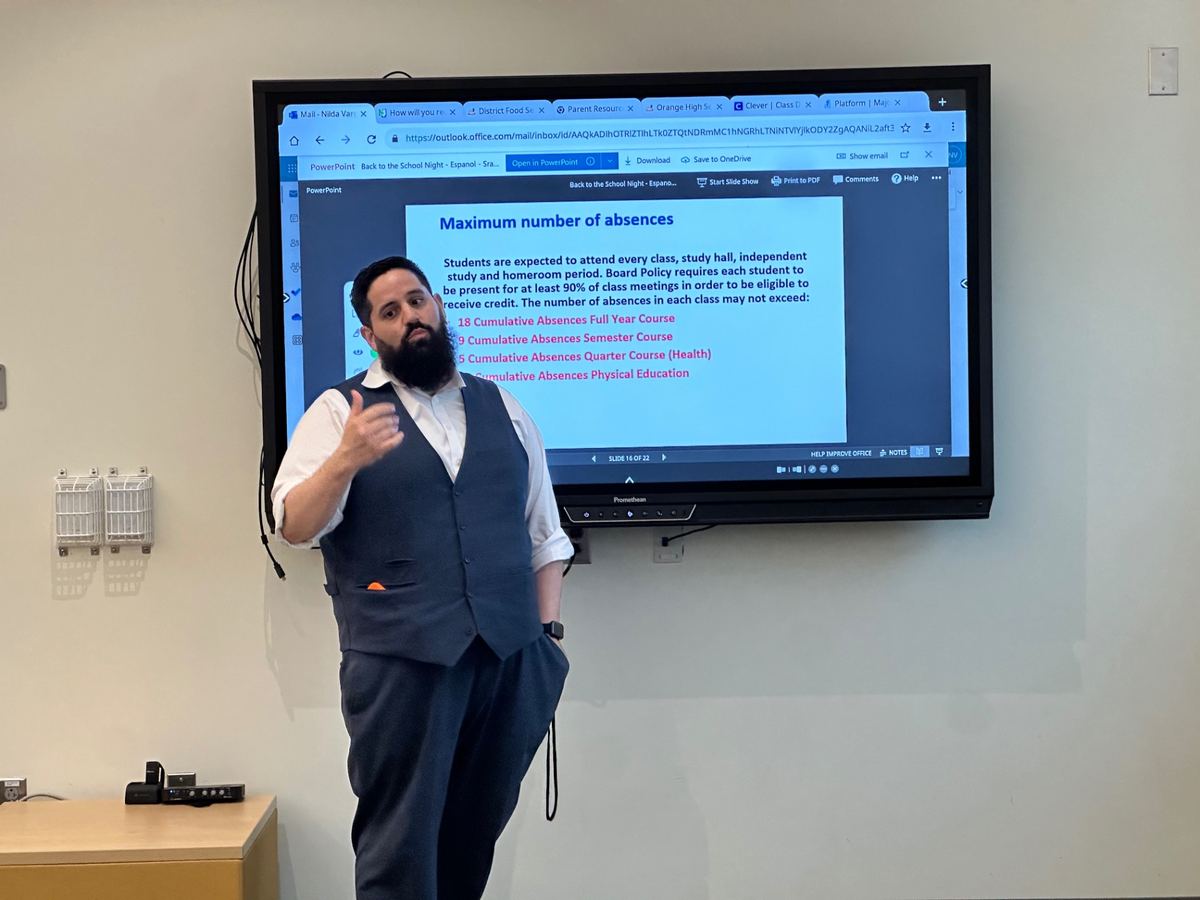
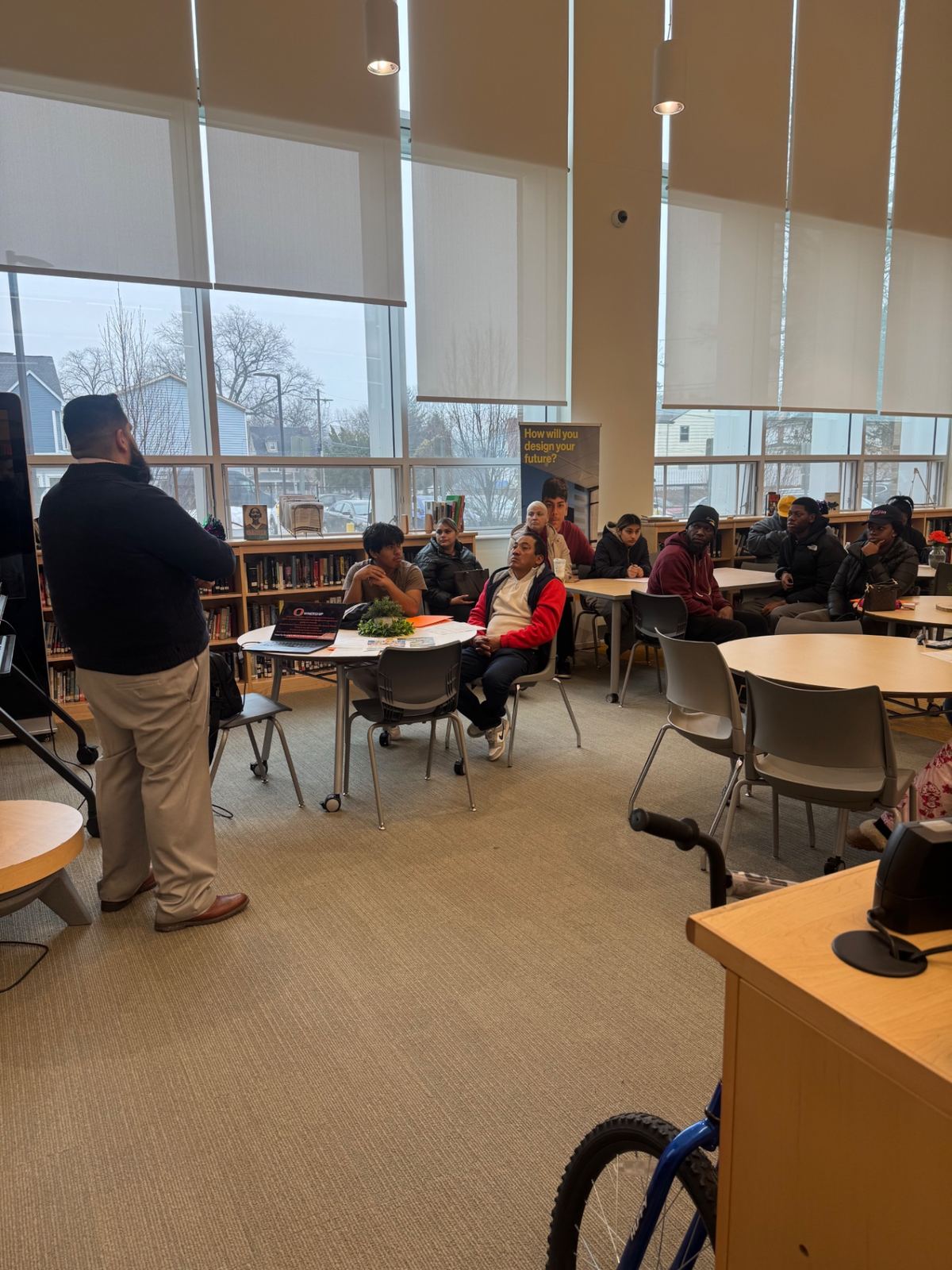
Instructional improvement is the central work of school leadership. Frequent classroom presence creates understanding; feedback, coaching, and follow-through create growth. Walkthroughs help surface patterns across classrooms, recognize effective practice, and identify where support can make the greatest difference. Coaching rounds provide the deeper cycle of focused feedback, implementation, and return that helps translate observation into stronger practice.
My bilingual and ESL background allows me to identify barriers that multilingual learners may encounter in curriculum, instruction, assessment, and family communication. I help teachers strengthen language objectives, vocabulary development, visual supports, structured discourse, scaffolding, checks for understanding, and targeted interventions without lowering academic expectations.
Student growth depends on more than academic placement. I work to connect instruction, intervention, behavior, belonging, relationships, family communication, and progress monitoring so students experience school as structured, supportive, challenging, and responsive. Strong systems allow staff to act earlier and prevent students from becoming lost between departments or initiatives.
Responsible Technology and AI Use
Uses emerging technology and AI to improve planning, communication, data organization, and operational efficiency while maintaining human review, professional judgment, student-data privacy, and responsible implementation.
Experience and Materials
Full career history, certifications, and leadership philosophy are published on this site. A current executive résumé and professional references are available on request.
Positions, scope of responsibility, and measurable results from 2009 to present.
OpenDoctorate in Educational Leadership, New Jersey certifications, and executive leadership domains.
OpenFive leadership commitments and the 90-day entry plan.
OpenInstructional priorities and the research foundation behind them.
OpenQuantitative doctoral research connecting visually supported instruction, multilingual learner access, teacher development, and measurable student growth.
Explore the researchSent directly by Dr. López, along with professional references upon request.
Contact