Leadership Philosophy

Leadership that creates clarity, stability, and results.

Schools perform best when people are respected, expectations are clear, and structures make good practice repeatable. My work as a leader is to hold high expectations and provide real support at the same time, so that students receive what they need and staff can sustain the effort required to deliver it.

Five Commitments

What staff and families can expect.

Portrait of Yoniel López, Ed.D.
  1. 01

    Student-Centered Judgment

    Every decision is evaluated by a single question: does this improve what students experience and achieve? Scheduling, staffing, intervention design, discipline, and communication all carry academic consequences. When priorities compete, students decide the outcome.

  2. 02

    Accountability With Support

    High expectations and genuine support belong together. Staff should know precisely what strong practice looks like, receive honest feedback about where they stand, and be given the coaching, resources, and time required to close the distance. Accountability without support is pressure; support without accountability is drift.

  3. 03

    Instructional Visibility

    Leadership belongs in classrooms. Frequent, low-stakes visits, focused feedback, and shared analysis of student work give leaders an accurate picture of instruction and give teachers a partner in improving it. Decisions made from a distance rarely change what happens in a lesson.

  4. 04

    Calm and Transparent Communication

    Schools absorb the emotional tone of their leaders. I communicate early, explain reasoning, name constraints honestly, and stay steady in difficult moments. Clear communication reduces rumor, protects trust, and allows staff and families to act with confidence.

  5. 05

    Sustainable Systems

    A school improves when good practice does not depend on individual heroics. Clear routines, defined responsibilities, and shared structures allow strong work to continue through staff turnover, difficult years, and changing priorities. Exhaustion is not a strategy.

Entry Plan

The first 90 days.

Days 1–30

Listen and Learn

  • Meet individually with staff, departments, and support teams
  • Review achievement, attendance, discipline, and intervention data
  • Establish daily visibility in classrooms and common spaces
  • Learn the school's culture, traditions, and community strengths
Days 31–60

Clarify and Organize

  • Clarify expectations, priorities, and communication channels
  • Identify operational bottlenecks and remove avoidable friction
  • Strengthen data routines so student needs surface earlier
  • Build collaborative problem-solving structures with staff

Days 61–90

Build and Implement

  • Launch a small number of improvement priorities collaboratively
  • Strengthen intervention tiers and progress monitoring
  • Develop leadership capacity within the faculty
  • Refine structures based on feedback and classroom evidence

In the Building

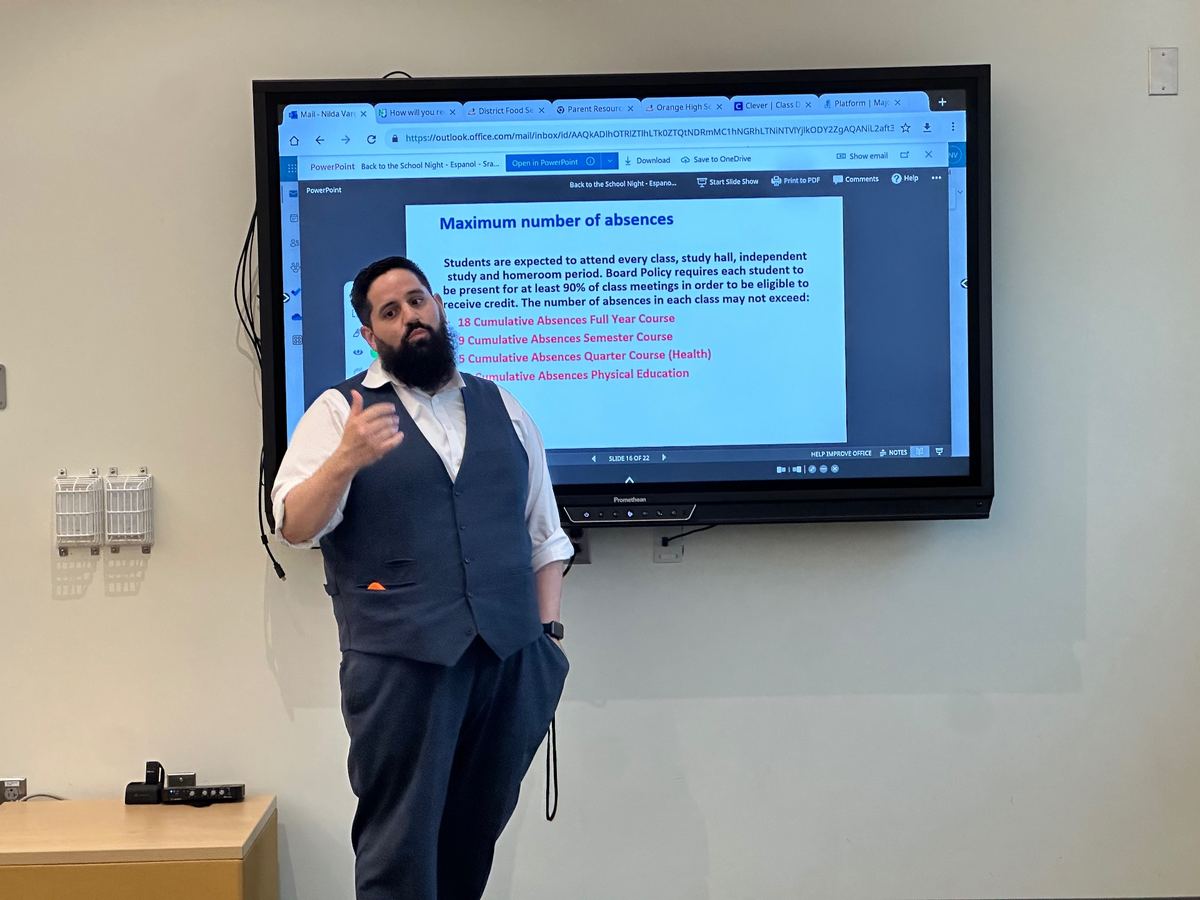
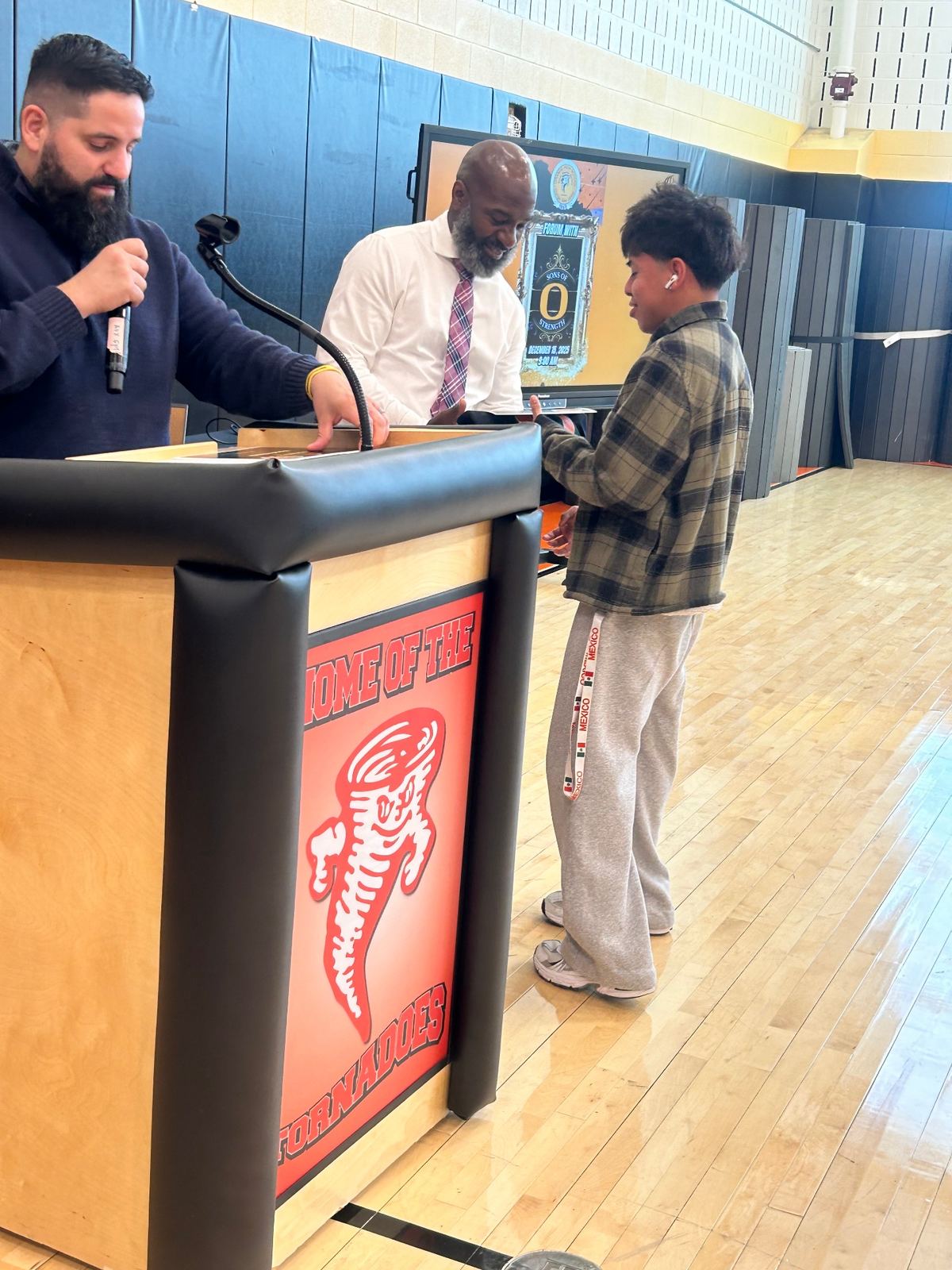
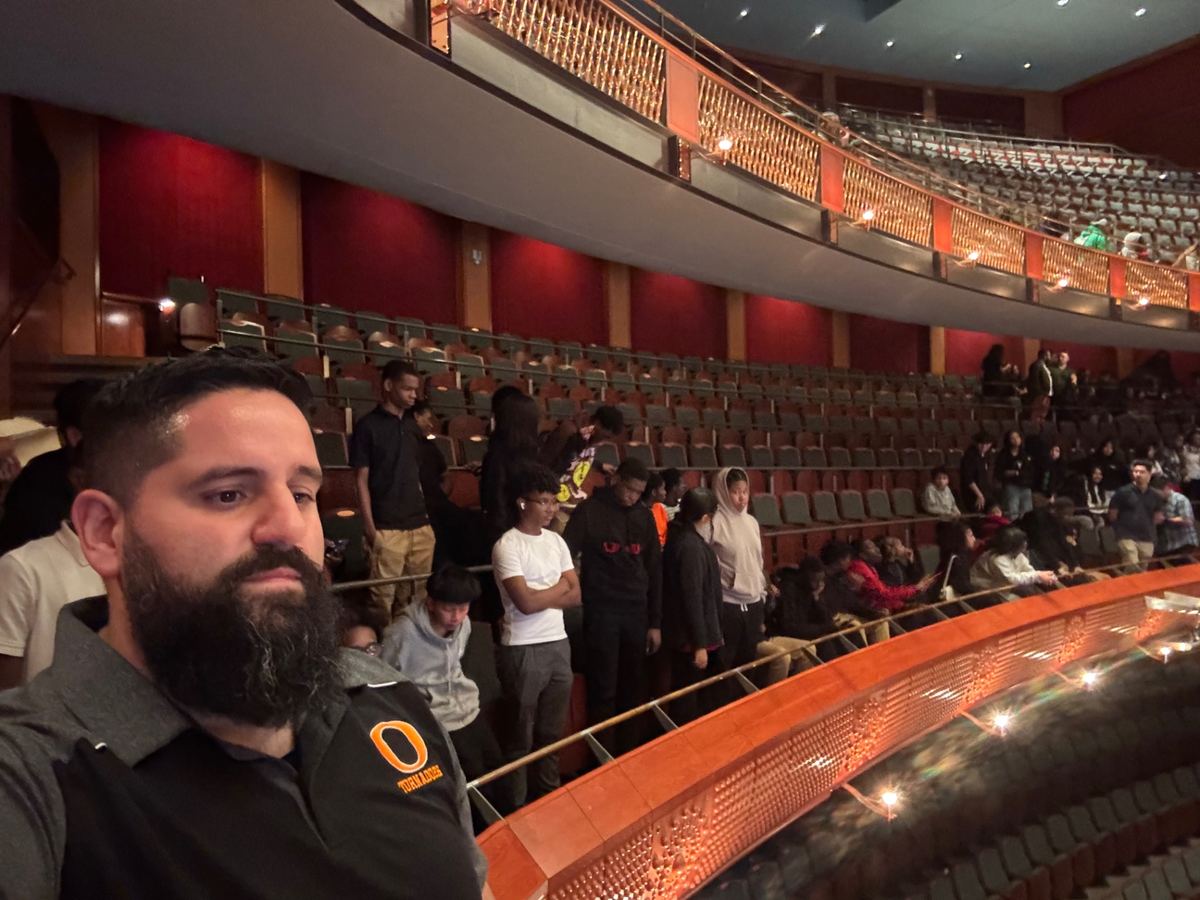
Chaperoning a student trip to an auditorium eventBe the Change initiative with the school leadership teamSpeaking at a community event at the home stadiumPresenting on Back to School NightOutside Central School with student readersSpeaking with a student at a school assembly

Leadership is service: removing obstacles, developing people, and creating the conditions for students to succeed.